Industry: UX/UI
Client: University Project
Service: App Design
Date: November 2024
My aim for this project was to create an app where students or anyone on a budget, was able to find sustainable and ethical brands to shop from as an alternative to fast fashion. I added in an element where the user can scan an item of clothing and it shows all of the brands ethics, morals, and how they make their clothing.
Fast fashion offers low prices but lacks transparency around sustainability working conditions and materials. Many Gen Z users want to shop more ethically but struggle to find affordable alternatives that align with their values. Existing platforms often make sustainability information hard to access or overwhelming which discourages informed decision making. There is also a lack of tools that allow users to quickly check whether a brand is genuinely sustainable while shopping in store.
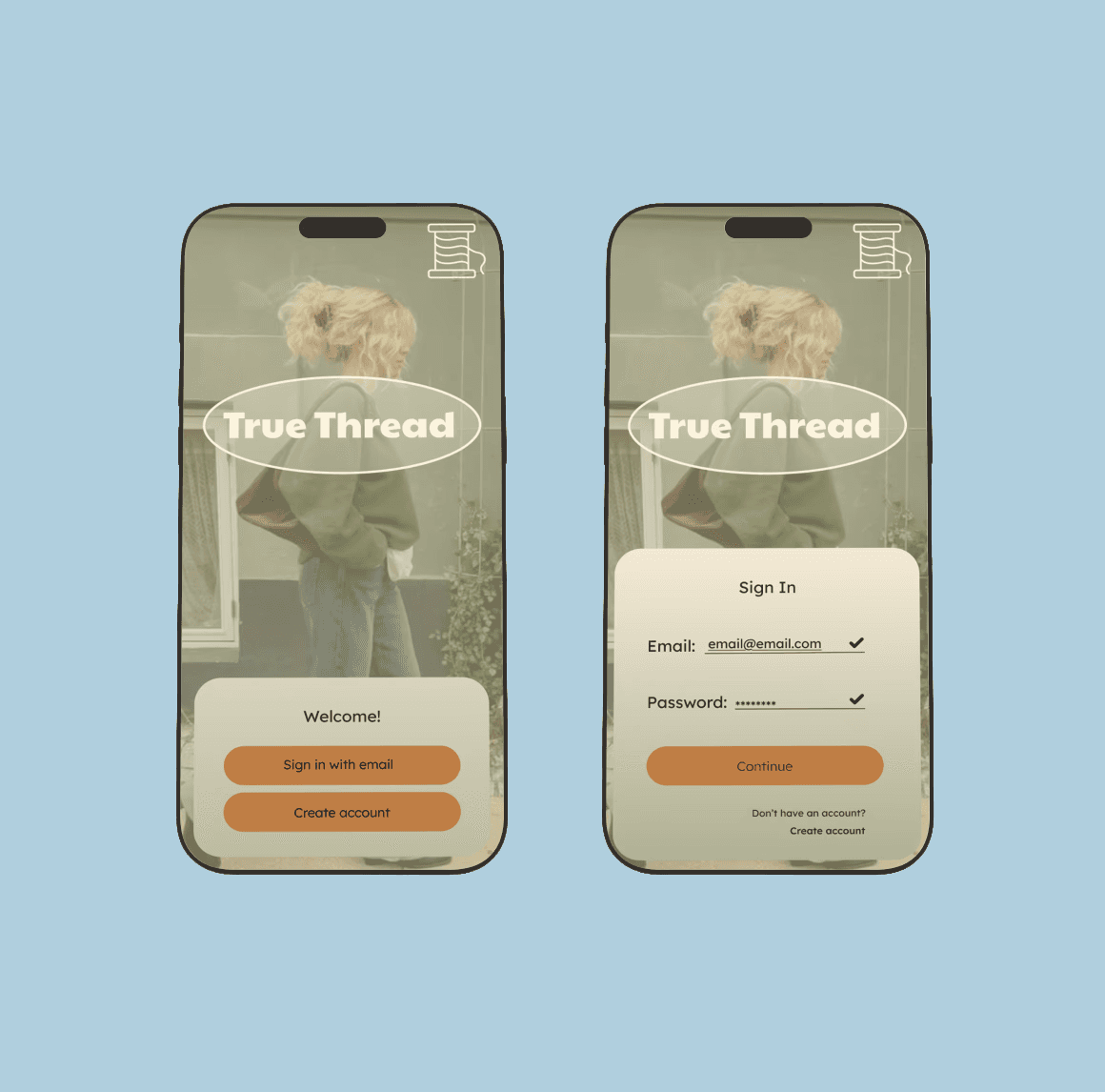
Research for this project was centred on understanding how Gen Z users engage with sustainable fashion and why fast fashion remains their default choice. This was explored through user interviews, an expert interview and affinity mapping. Interviews with students highlighted that affordability is the main barrier to shopping sustainably, with most users prioritising price and convenience over production details. While participants expressed concern about climate impact and poor working conditions, this rarely translated into purchasing decisions due to limited transparency and higher costs. An expert interview with the founder of Pivot reinforced this, noting that ethical brands often struggle to compete on price and visibility despite strong values. From this research, clear pain points emerged around cost, lack of accessible information and difficulty finding trusted sustainable options locally. These insights informed the creation of user personas and helped identify opportunities for an app focused on transparency and affordability. Continuous feedback throughout the process ensured the concept addressed real user behaviours rather than idealised sustainable habits.
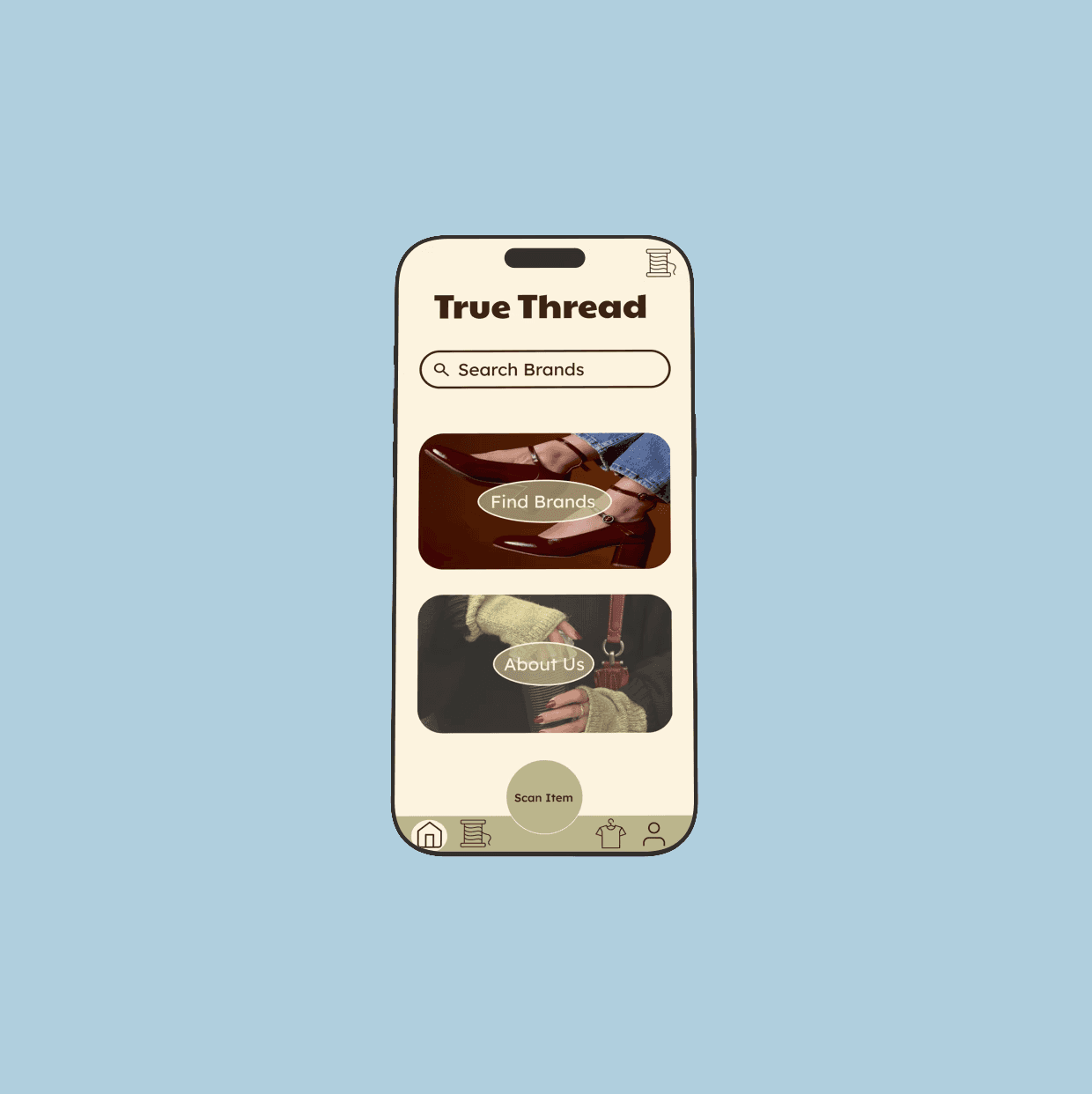
The design of the app was informed directly by user research and the need to balance ethical values with everyday shopping habits. The interface prioritises clarity and ease of use to reduce friction for users who may be new to sustainable fashion. A clean layout and straightforward navigation were chosen to make complex information such as brand ethics and production practices feel accessible rather than overwhelming. Barcode scanning acts as the core interaction allowing users to quickly access transparency data without changing their existing shopping behaviour. Visual hierarchy is used to surface key information such as price comparisons and sustainability ratings while keeping deeper details optional. Design decisions were tested and refined through ongoing feedback which confirmed the importance of speed, familiarity and trust. Accessibility and affordability were considered throughout ensuring the app feels inclusive rather than niche. Overall the design aims to support informed decision making while fitting naturally into how users already shop rather than asking them to radically change their habits.
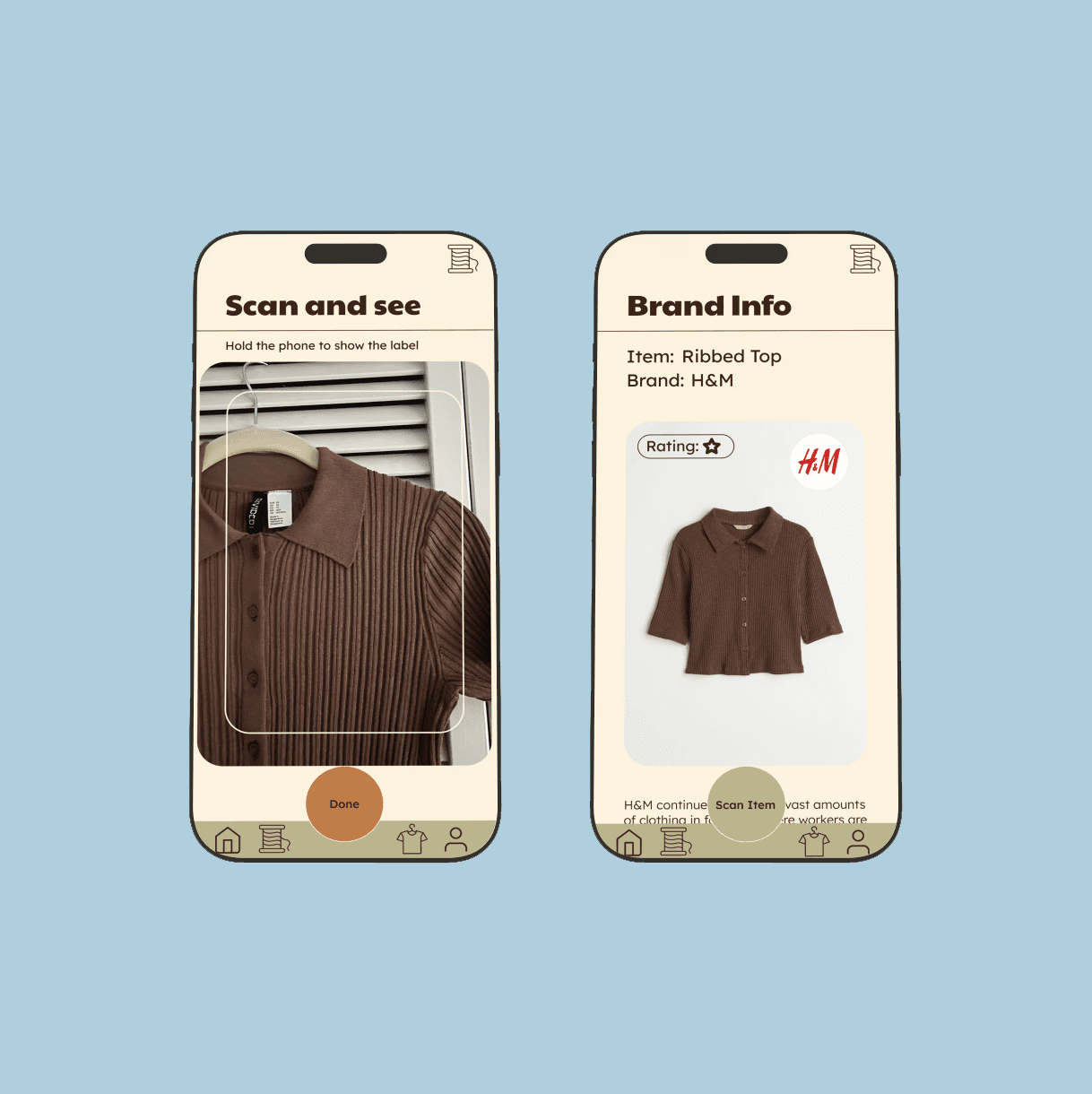
User testing confirmed the app was easy to navigate and clearly structured which supported confident decision making. The photography led design successfully placed focus on the clothing and brands. Key learnings included improving colour contrast for accessibility and expanding brand recommendations. Overall the project strengthened my skills in user centred design prototyping and translating ethical values into a clear modern digital experience.
Norwich, Norfolk, UK / Bury St Edmunds, Suffolk, UK